
I made an unexpected trip to Boston last week. It's always good to have your bags pre-packed because you never know when you'll need them.
I'll add that it feels great visiting cities you've already been to because you know where everything is.
You just go and relax.
Ever been on a trip and lost power on your phone?
It STINKS!
Let me ask something else: ever waited for your phone to charge, but it seemed to take forever?
It STINKS!
These situations can literally make or break your trip.
But don't worry—I got you covered.
In this issue, I'm going to talk about power management so you can get your phone charged as soon as possible and the only battery you have to worry about is your own energy level.
Knowing the lingo: When discussing charging, there are confusing terms like volts, amps, and watts. I don't want to get into physics, but W = A × V, so watts are the most important number.
Generally, the higher the watts, the faster the charge. For phones, you want to get a 20-watt charger to deliver juice very quickly. Those cheap little chargers that come with your phone may be cool because they're small, but they only deliver 5 watts, so charging will take forever.
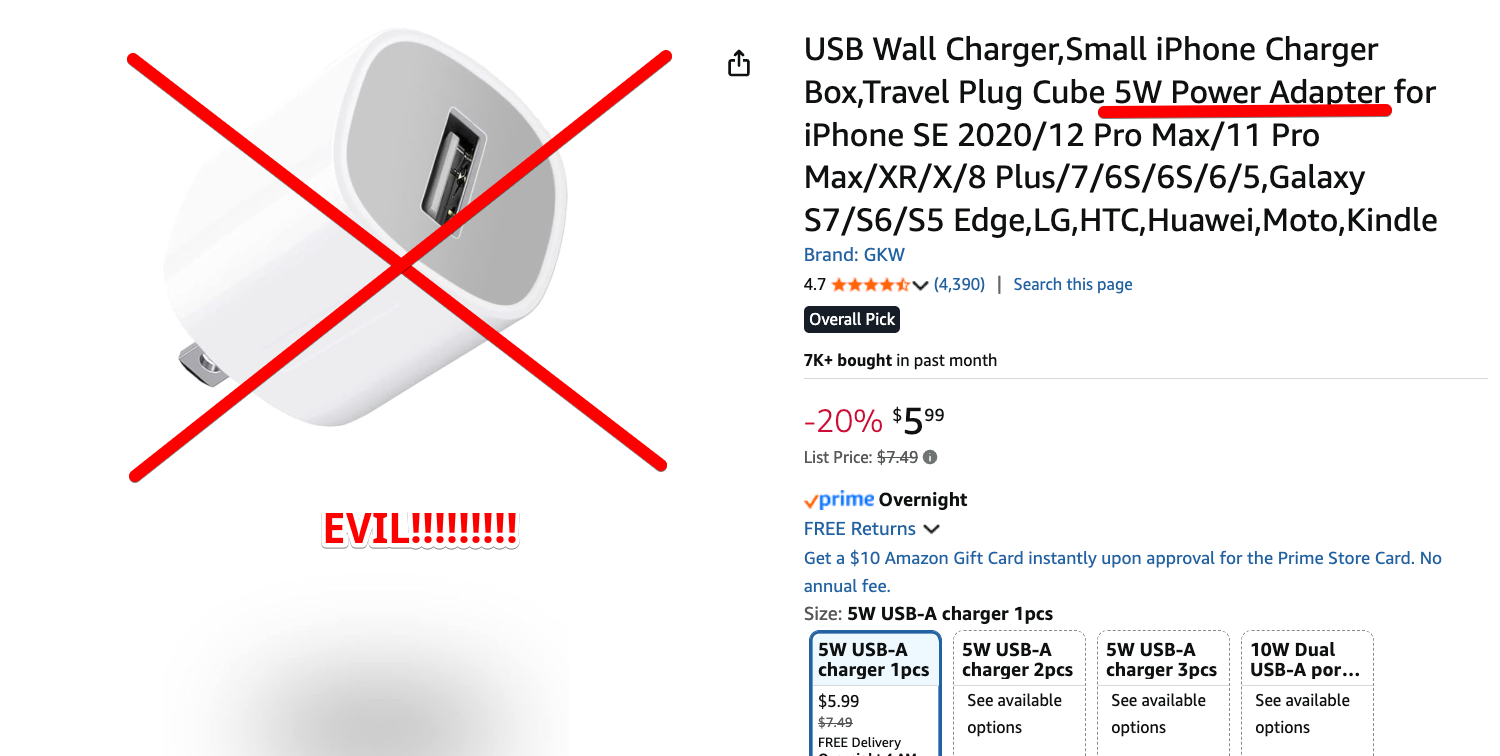
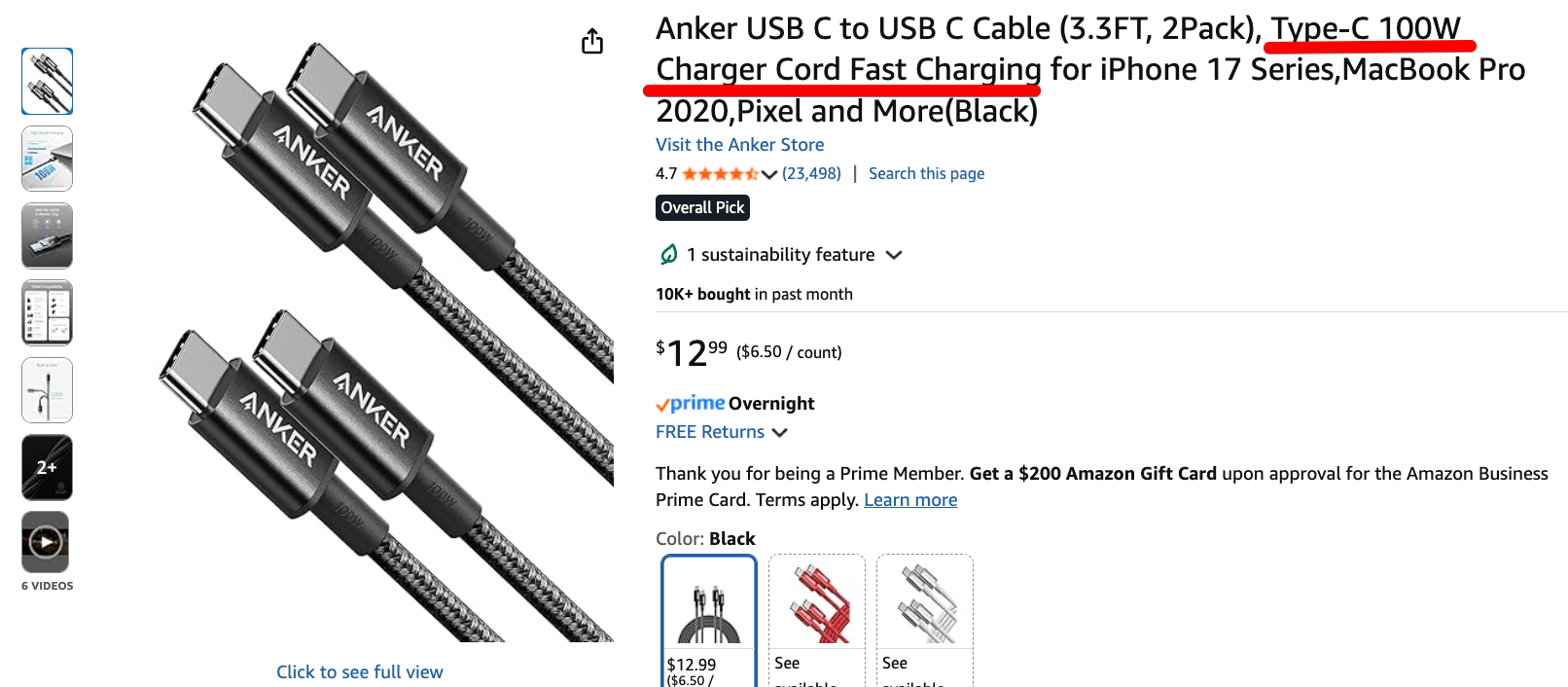
Make sure your USB cables can deliver the proper watts. You can have a fast charger, but if the USB cable can't deliver it, you're out of luck. Use USB-C cables labeled for Power Delivery (PD) or Quick Charge (QC) for faster charging.
Backup batteries: Make sure you always bring at least two on your trips—one with you at all times and another one charging at home so you can quickly swap them out when needed. Look for a power bank rated at least 10,000 mAh (≈ 2 full phone charges). For tablets or laptops, go 20,000 mAh or higher.
You can never have enough cables. Cables fail, break, or get permanently borrowed, so get the number of cables you think you need and then double it.
Bonus points: Bring an extension cord or multi-port charger so you can charge more devices quickly instead of trying to charge one device with that weirdly placed outlet behind the nightstand.
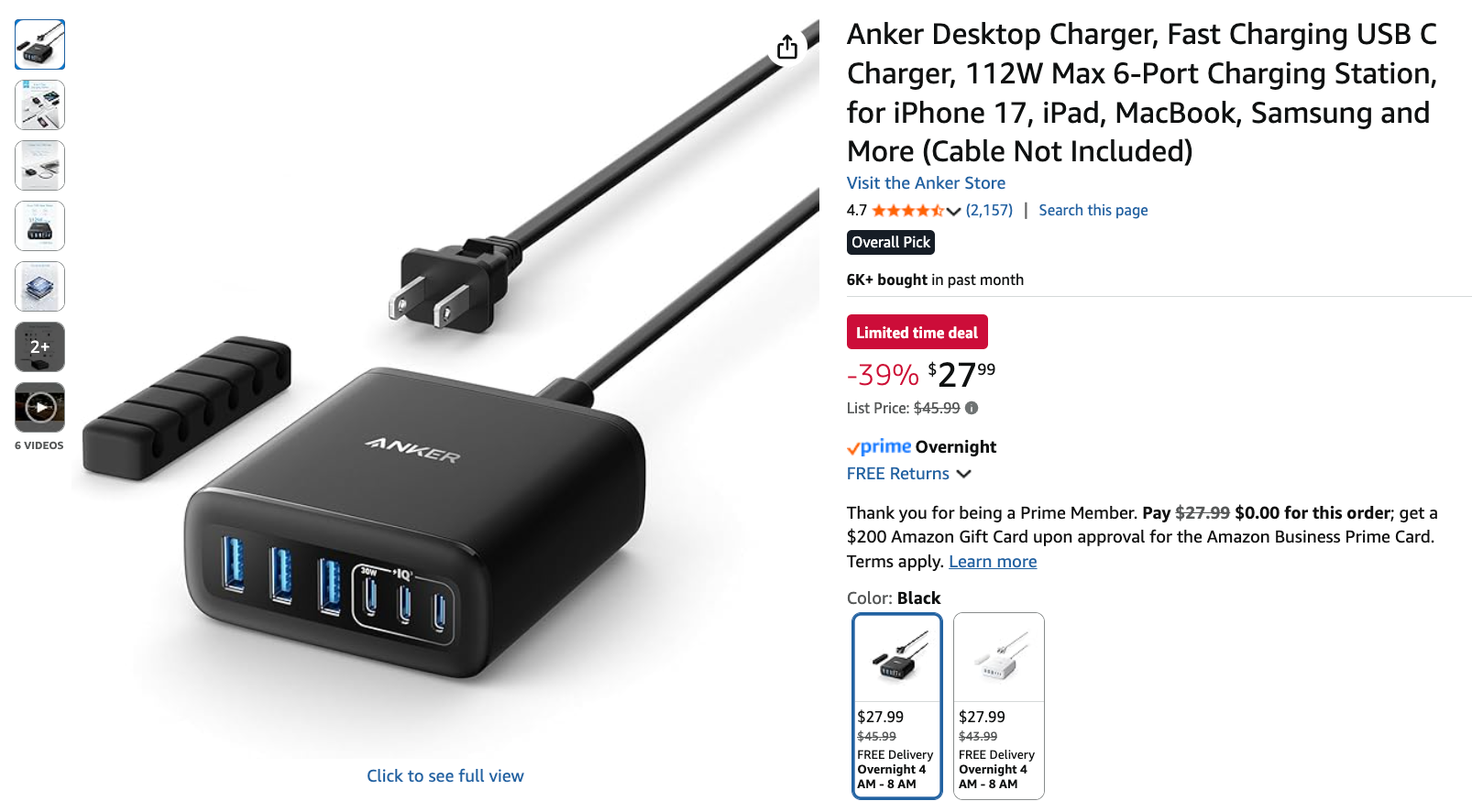
These changes can literally make the difference between you being stranded by an outlet, nervous that your phone is going to die, versus charging your phone for 30 minutes and going out to see the world.
Try these tips out and let me know how it works.
Keep traveling,
Andrew
What’s the worst place your phone has ever died while traveling?


