
This past weekend, I was hunting for some super cheap flights (as I always do), when something caught my attention:
I started wondering about "dangerous" airports.
Why?
Well, I don't want to fly into one without knowing what I'm getting myself into! So, I did some research, and what I found was pretty interesting.
First, let's be clear about what "dangerous" really means in aviation. It doesn't mean unsafe. Modern safety measures and pilot training make air travel safe even at these airports. Instead, "dangerous" in aviation means airports that present unique challenges for pilots.
These challenges come from several main factors: terrain and geography, runway features, unpredictable weather, and complex flight procedures.
For example, an airport might be challenging because it's at a high altitude, surrounded by mountains, or has a short runway. Unpredictable winds, fog, or harsh winter conditions can also make things harder.
Just to be clear - I'm not criticizing any airport or area!
So, here are five of the most challenging airports in the U.S. that pilots often mention as the "most dangerous" in terms of skill needed:
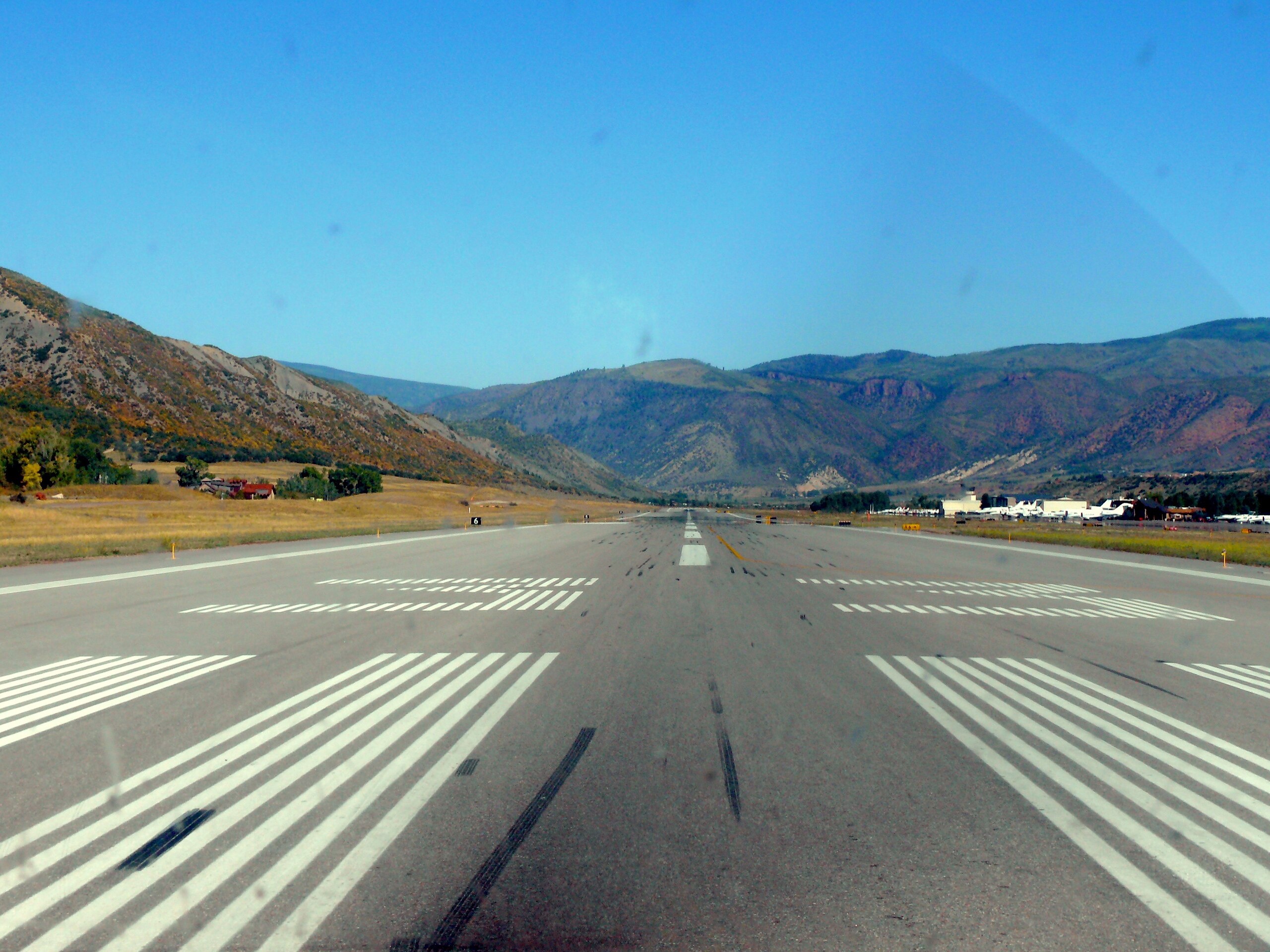
- Aspen/Pitkin County Airport (ASE), Aspen, Colorado
- Why it's challenging: Located at 7,820 feet above sea level and surrounded by mountains, ASE requires steep descents for landing and quick climbs for takeoff to clear the terrain. Its short runway (8,006 feet) and the thin air at high altitude reduce aircraft lift, making operations more difficult. Add to that the heavy snowfall and ice in winter, and you have a truly demanding environment.
- Ronald Reagan Washington National Airport (DCA), Washington, D.C.
- Why it's challenging: DCA is located within restricted airspace, surrounded by sensitive no-fly zones like the Pentagon and the White House. Pilots must follow a unique "River Visual" approach, requiring them to visually follow the Potomac River in a winding path. Also, its main runway is relatively short at just over 7,000 feet for a major hub.
- John Wayne Airport (SNA), Orange County, California
- Why it's challenging: SNA has one of the shortest commercial runways in the U.S. at 5,700 feet. What makes it unique are the strict noise rules, which require pilots to perform steep, full-throttle climbs on takeoff followed by a sudden power cut to reduce noise over nearby neighborhoods. The urban area surrounding the airport also leaves little room for error.
- Juneau International Airport (JNU), Juneau, Alaska
- Why it's challenging: Juneau's geography is intimidating, as it's surrounded by tall mountains and glaciers, leaving only one safe approach path. The weather is often a problem, with frequent fog, low clouds, and icy runways. Pilots often need to rely on visual flight rules rather than instruments, which is especially difficult in poor visibility.
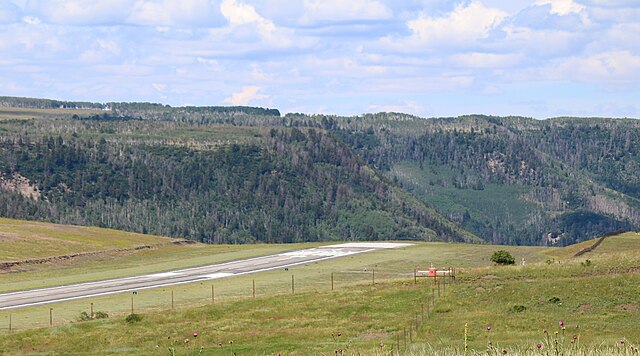
- Telluride Regional Airport (TEX), Telluride, Colorado
- Why it's challenging: As the highest commercial airport in the U.S. at 9,070 feet, TEX has thin air that significantly reduces aircraft performance. Its runway sits on a plateau with steep drops on either side and even has a dip in the middle. Unpredictable mountain winds and turbulence are common, along with frequent winter snow. Also, touch-and-go landings are not allowed, meaning pilots only get one chance to land correctly.
So, while these airports certainly present challenges, don't let this stop your travel plans! Pilots who fly into and out of these locations receive special training and certification to navigate these unique conditions safely. This thorough preparation ensures they have the high level of skill required. So, feel confident booking those flights.
Keep traveling,
Andrew
Have you ever flown into one of these challenging airports? What was your experience like?


