
I got some awesome feedback on my latest video. Link
It's great because now I've got tons of new ideas for more videos!
I seriously love making them—they make me so happy.
But here's the thing: I gotta work on making them faster.
Right now, I'm not as quick as I used to be with my old video editor.
Don't worry though—I'm confident I'll regain my speed soon and become even faster than before!
I have an article that you'll definitely want to save and share with your friends.
Before booking a reservation, tour, or other trip-related activity, you likely check out a few reviews. While you may have heard that some are fake, you might not realize just how prevalent these fake reviews can be.
There's literally an industry built around fake reviews.
It's surprisingly easy to buy reviews. I did a quick search and found the following:
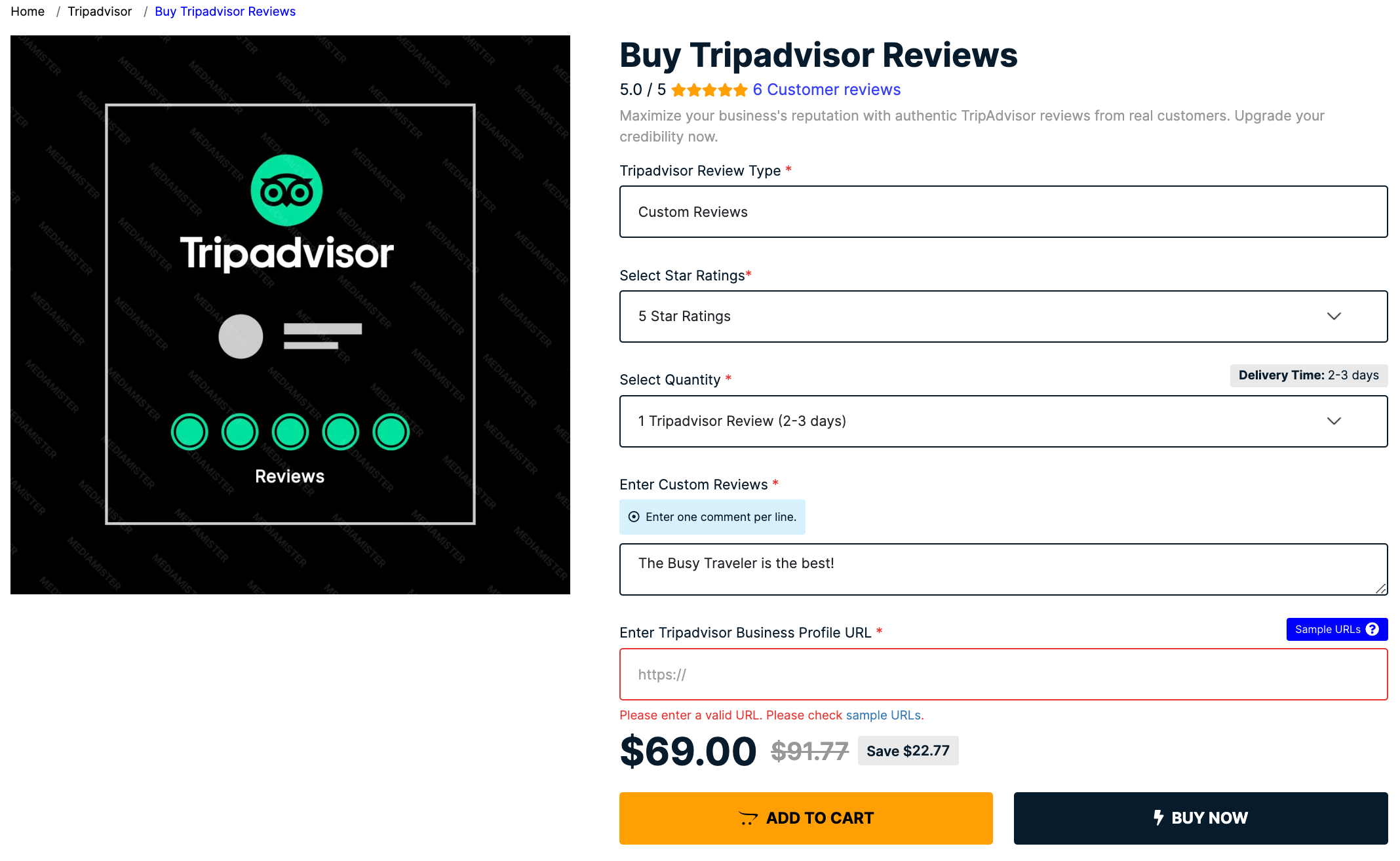
If you see my social media numbers skyrocket… "It was all natural!" 😆
On a serious note, imagine you're a business owner—reviews can make or break your business. They say that a 1-star increase on Google can boost your revenue by 9%.
So it's not too much of a stretch to believe some people buy fake reviews.
But don't worry—
In this article, I'm going to give you the tools to spot fake reviews so you don't get duped.
Let's dive in!
Don't Be Fooled
- A thumbnail image doesn't guarantee a real person. Scammers often use random images from the web, and with AI technology, some thumbnails might not even be real photos.

- A large number of reviews doesn't ensure authenticity. Scammers may use the same accounts to review multiple businesses. This tactic makes both the fake accounts and reviews seem more legitimate. Scammers might also copy reviews from other platforms to boost credibility.
- Even recommendations or sponsorships from real people can be bought. For example, after my non-sponsored Google Fi video (Link), other companies reached out to me to promote their products. I declined these offers because they didn't align with my values. I was even approached by e-cigarette companies. While I enjoy a good cocktail, I'm extremely health-conscious, so promoting that kind of product didn't sit right with me. But that's just my personal standard. I'm not judging anyone—I get it. Content creation is tough, especially when it's your full-time gig. Just be careful who you trust.
So, what can we do about this?
Well, great question—I've got the answers.
How to Protect Yourself
- Binge social media - Nowadays, everything is on social media. Search for the restaurant, tour, etc. on YouTube and watch with your own eyes. You'll be able to identify a scam much easier this way. If the content looks underwhelming and focuses more on fluff instead of substance, run.
- Pay attention to low-ranked reviews - If multiple people are writing detailed accounts of their bad experiences with specifics, it's an indication that something is really wrong. Pay attention if they're addressing the same themes like lack of service or food quality. This is especially telling if the good reviews lack substance.
- Look for patterns - Some scammers aren't the creative type—think Nigerian Prince scammer types. Their posts are often formulaic. So if all the posts follow similar patterns, it could indicate fake reviews. For example, if all the positive reviews use similar adjectives, describe a dish the same way, and the last line urges you to visit, that's a red flag.
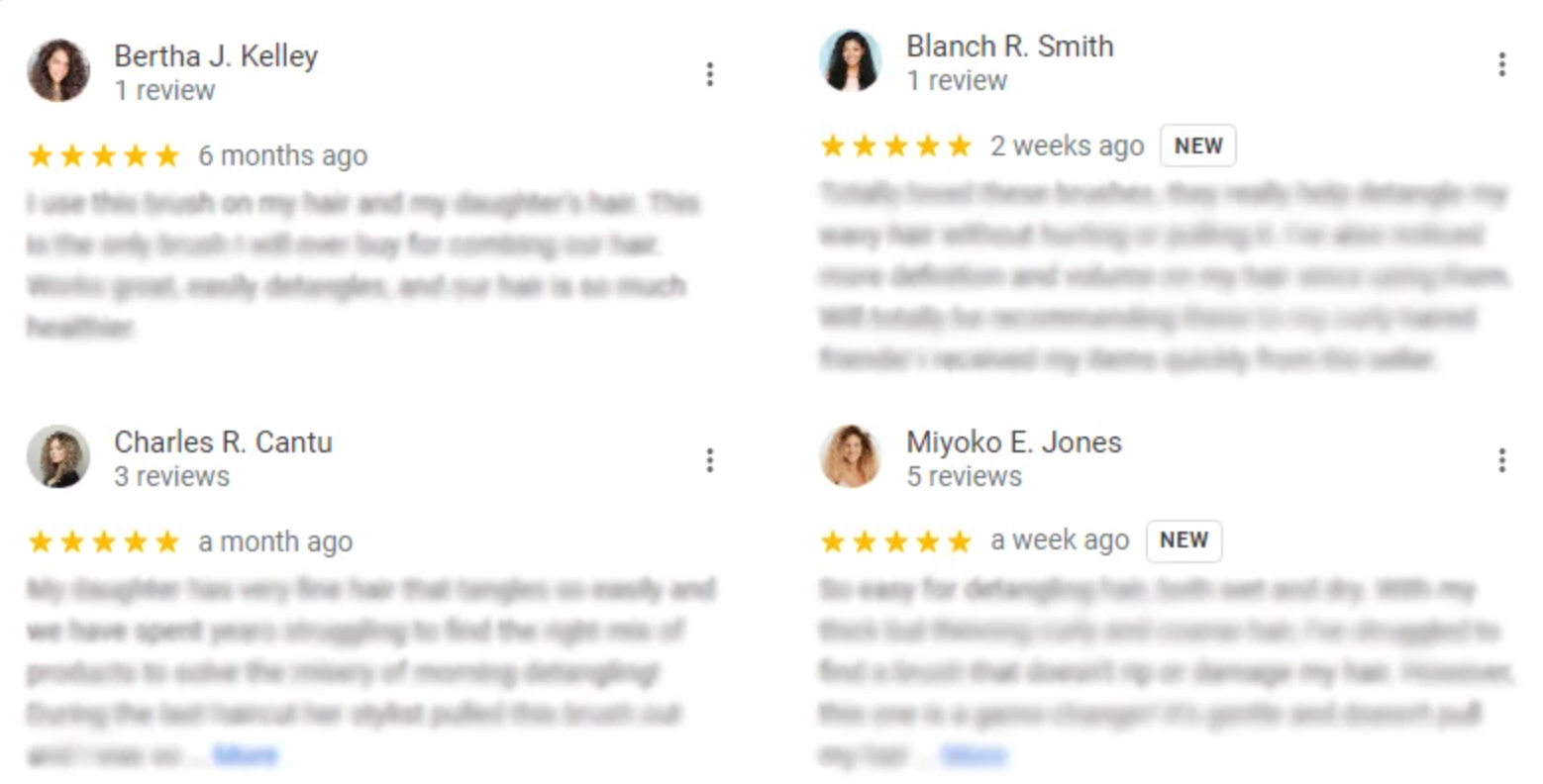
- Look for waves - If the business has a couple of bad reviews followed by a wave of good reviews, and this happens multiple times, the business is likely hiring fake reviewers to bury the bad reviews.
- Check multiple sources - If the reviews on Google are overwhelmingly positive while the same business has horrible reviews on Yelp, there's something fishy going on. A quality establishment will have great reviews across the board.
- Look at the reviewers - If most people reviewing the business have only 1 or 2 reviews in their history, they could be bots. Such businesses warrant further investigation.
- Lacking details - Be suspicious of posts that lack specific details. While busy people might leave generic reviews, consistently vague 5-star reviews should raise red flags. If reviewers can't explain why a place is great, something's up!
- Too polished - Exercise caution when encountering reviews that exhibit an inordinate level of linguistic sophistication or employ an abundance of esoteric terminology. Such compositions frequently manifest as artificially generated content, fabricated through the implementation of advanced artificial intelligence algorithms. The presence of excessively erudite prose or an uncharacteristic proliferation of abstruse vocabulary should engender skepticism regarding the authenticity of the review in question.
Helpful Websites
If you're unsure about the authenticity of reviews, these sites can help:
Fakespot - https://www.fakespot.com/
Reviewmeta - https://reviewmeta.com/
What to Do If You Spot a Fake Review
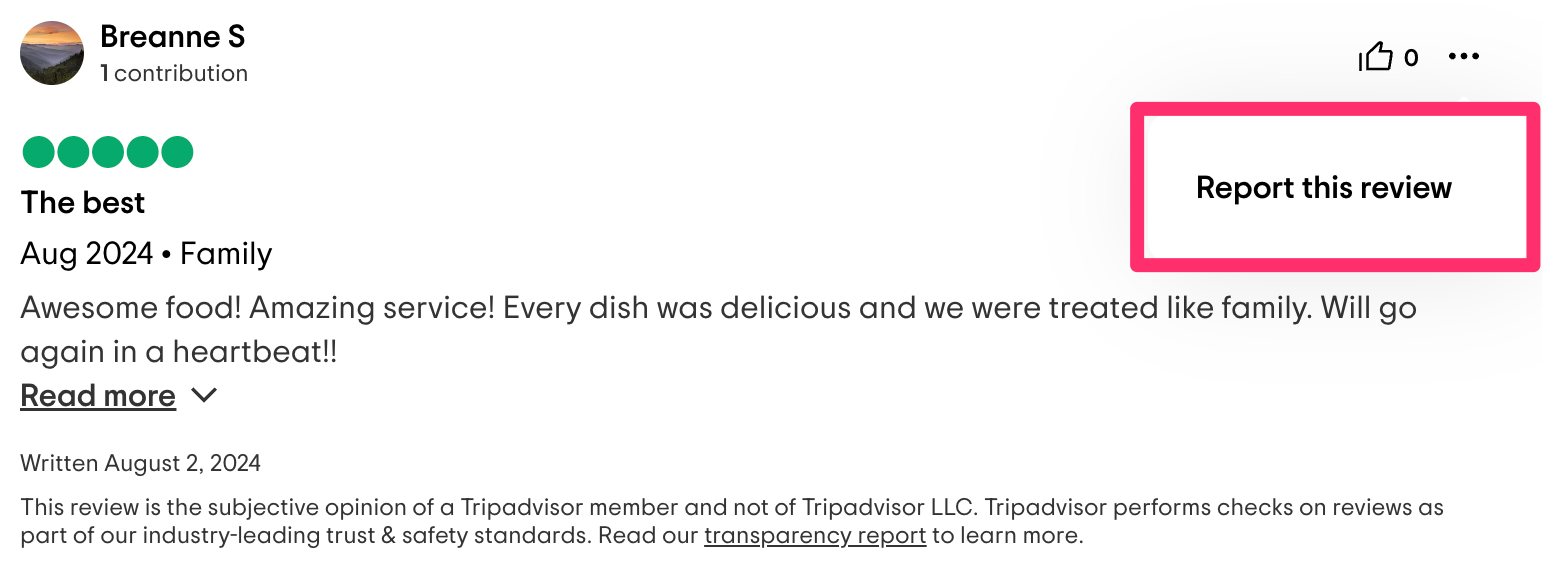
Found a suspicious review? Report it! You'll be doing everyone a favor by exposing shady businesses. Most platforms have a "report" option right next to each review—use it!
Closing Remarks
Don't sweat it too much, though. As you practice the guidelines we've discussed, you'll develop a sixth sense for spotting the fakes. Trust your gut and keep those eyes peeled when reading reviews and you’ll be alright.
Keep traveling,
Andrew
How good are you at finding fake reviews?


